Soccer Scholarships Australia: The Complete 2026 Guide
How Australian footballers earn US soccer scholarships — NCAA, NAIA & NJCAA options, timelines, costs and the step-by-step process. Your complete 2026 guide.
Expert guidance on scholarships, recruitment strategies, division selection, and navigating the US college soccer system for Australian footballers
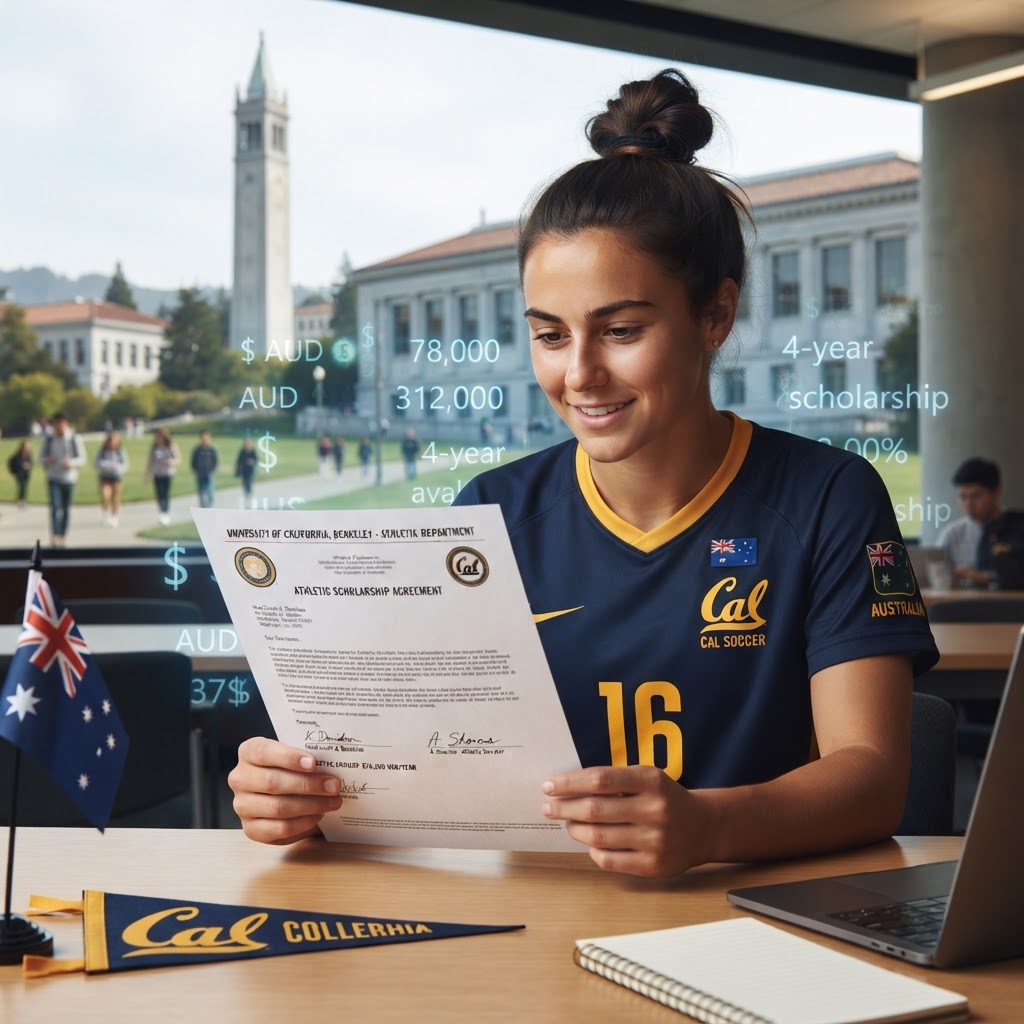
A scholarship offer can look life-changing on paper. But the number printed at the top of the letter is not necessarily the amount your family will save. Here's what Australian families actually need to budget for.


How Australian footballers earn US soccer scholarships — NCAA, NAIA & NJCAA options, timelines, costs and the step-by-step process. Your complete 2026 guide.

When Australian families think about college soccer, they think about the United States. But this year, two U90C clients chose Canada instead. Both are in pre-season right now. Here's why the Canadian pathway is no longer a footnote.
The 2026 World Cup host cities — Los Angeles, Seattle, Dallas, Kansas City, Atlanta, Miami, Boston, New York — are the exact same cities where US college soccer coaches are actively recruiting Australian players right now. Here's why this moment matters and why timing is everything.
The 2026 FIFA World Cup is being played right now on US soil. 25 players at this World Cup played college soccer — and three Socceroos got here via MLS.
A step-by-step guide on how to get a US college soccer scholarship as an Australian player — from choosing the right division and registering with the NCAA Eligibility Center to building a highlight video, contacting coaches, and stacking athletic and academic aid for maximum funding.

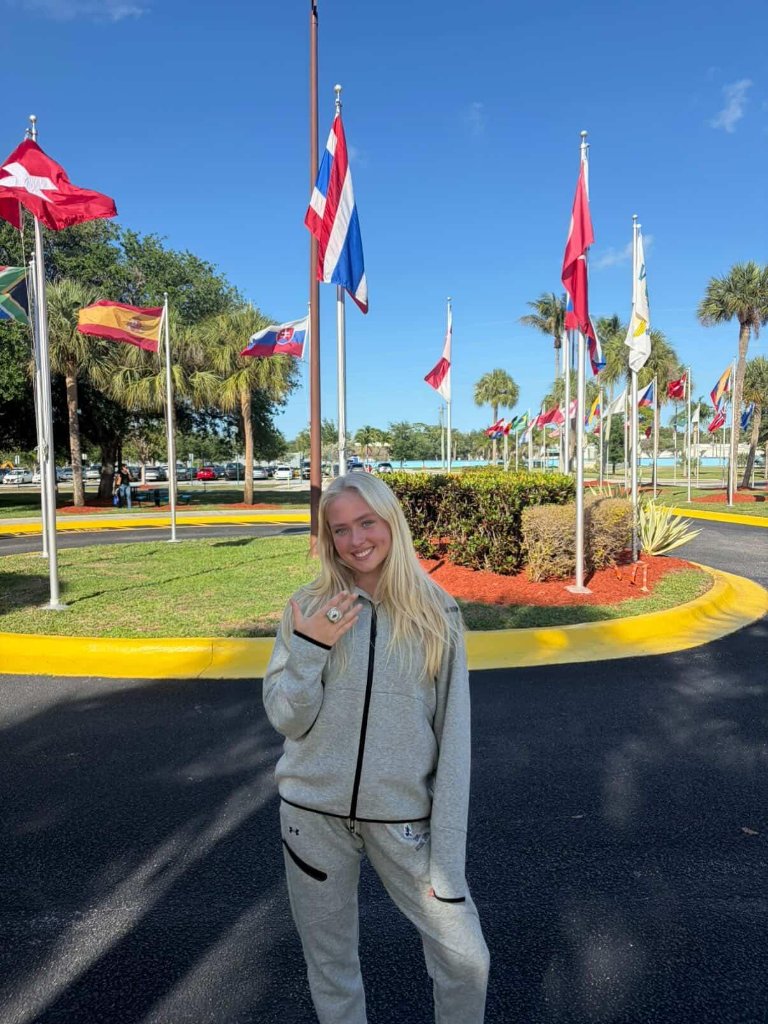
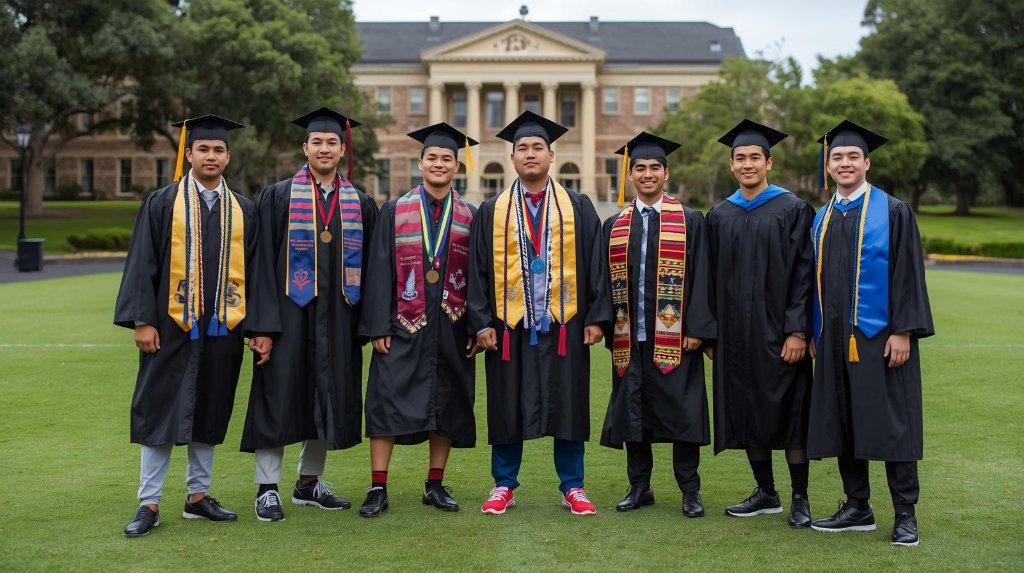
Ryan Mrvcic earned a perfect 4.0 and the Academic Award of Excellence. Keegan Grant graduated after four years as a goalkeeper at Findlay. Zoe Edwards won a national championship ring at Keiser University. Three Upper 90 College alumni. Three different levels. One week.

After 16 years of placing Australian footballers into US college programs, D3 is the most misunderstood division. Oscar Pestonji chose D3 over D1 on the same California trip — here's why that was the smart call.

Zoe Edwards didn't need Division I. She needed the right program, the right coaches, and the right environment. At Keiser University, she found all three — and won a national championship.
After 16 years sending Australian players to US college programs, we know exactly what coaches look for — and what gets a reel closed in the first 30 seconds. Here's the inside view.
After 16 years and 100+ placements, these are the five mistakes we see most often — and how to avoid every single one of them.
NJCAA vs NCAA vs NAIA explained for Australian families. Compare scholarships, playing time, transfer pathways and which division fits your athlete best.

Soccer scholarships in Australia barely exist. The real, well-funded pathway for Aussie footballers is the US college system. Here's what's available, who's eligible, what it's worth, and when to start.

Most Australian families start too late. Here's the exact timeline for US college soccer recruiting — broken down by gender and graduation year — so your child doesn't miss the window.

The best soccer colleges in the US aren't all D1. Compare NCAA, NAIA & NJCAA programs — scholarships, competition level and fit for Australian players.
The best colleges for soccer aren't always D1. Discover why NAIA and NCAA D2 programs offer better playing time, scholarships and fit for Aussie players.

Canada's university soccer system (U Sports) offers Australian players a smarter, more affordable pathway than the US — with no eligibility clock, shorter seasons, and real pro pathways through the Canadian Premier League.

Every Australian family asks about the US college system. Almost none ask about Canada. For a significant number of Australian athletes, the Canadian university pathway isn't a fallback — it's the better option. Here's why.

A proposed NCAA rule change would start the eligibility clock at age 19 — before most Australian athletes even set foot on a US campus. Here's what it means for the gap year strategy families have relied on for years.

The 10 best college soccer scholarships available to Australian players — covering NCAA Division I, II, NAIA, and NJCAA programs, with real dollar amounts and step-by-step application guidance.
The NCAA just approved the biggest structural change to D1 men's soccer in decades — a full two-semester season starting 2027-28. Here's what it means for Australian families navigating the US college pathway right now.
The complete US college soccer recruitment process explained for Australian families — when to start, how to contact coaches, NCAA eligibility, SAT requirements, and scholarship timelines from Year 9 to Year 12.

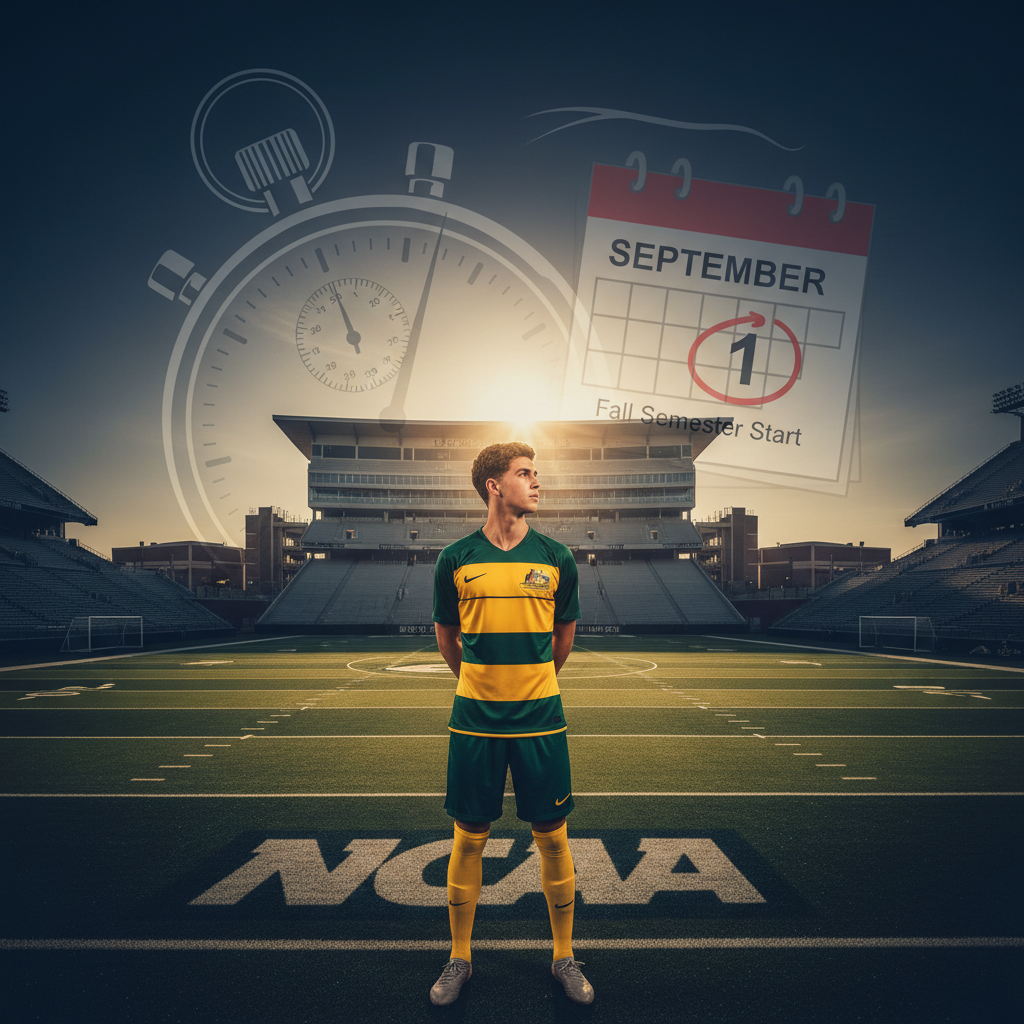
On June 23, the NCAA unanimously approved a new age-based eligibility model. If your child takes a gap year, turns 19 before September 1, or starts late — this changes everything. Here's what it means for Australian families right now.

Worried you've missed the recruiting window? Think again. Discover how Australian athletes can still secure college scholarships even if they're starting their recruiting journey in Year 11, gap years, or beyond.

Most families rank offers by division and scholarship size, with the coach almost an afterthought. After 16 years doing this, I can tell you that's backwards - the coach is the single biggest factor in whether a placement actually works.

Spain won the 2026 World Cup today. Three Socceroos played in MLS. Here's what that proves about the pathway your kid could take right now.

Most Australian families dismiss NCAA Division 2 without understanding it. Here's why D2 is often the smarter scholarship pathway — and what the numbers actually look like.

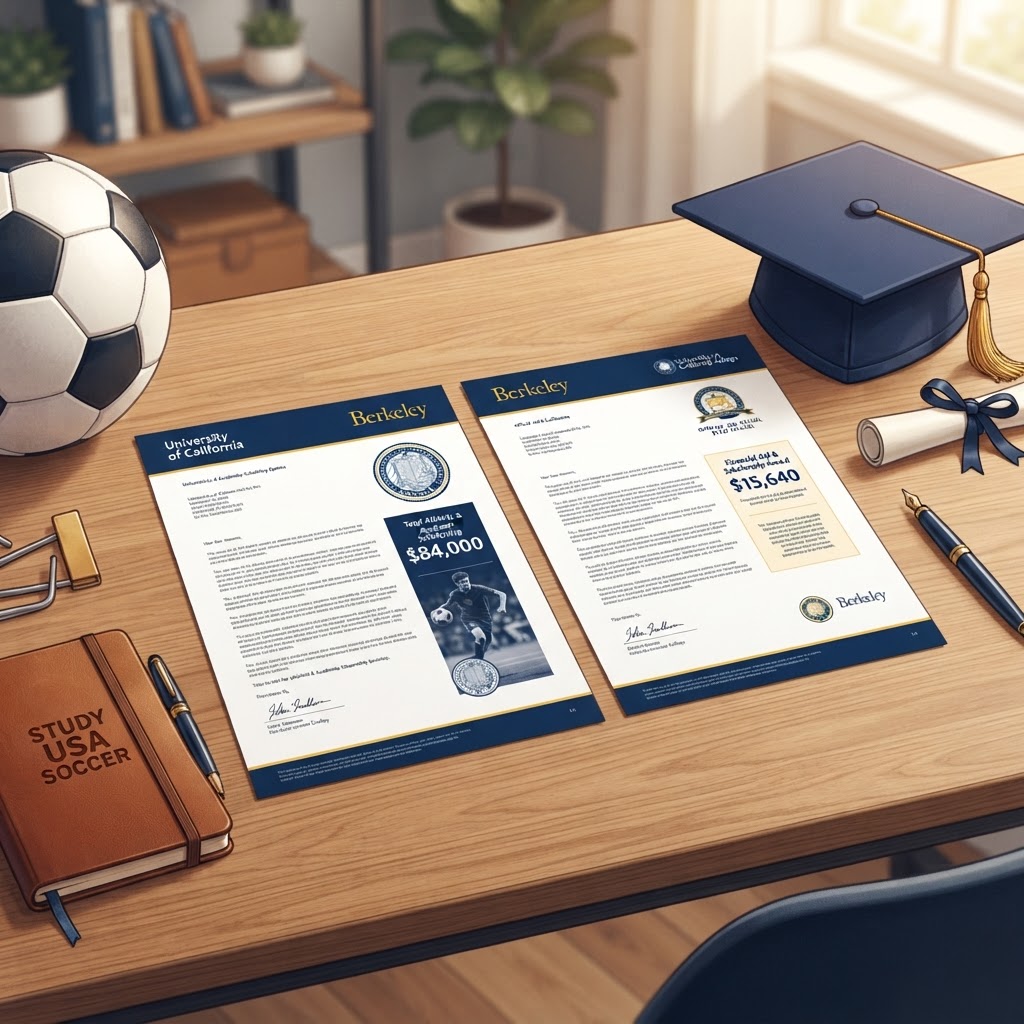
Two real scholarship packages from two Australian athletes. One worth $84,000, one worth $15,640. Different divisions, same principle: the money stacks.

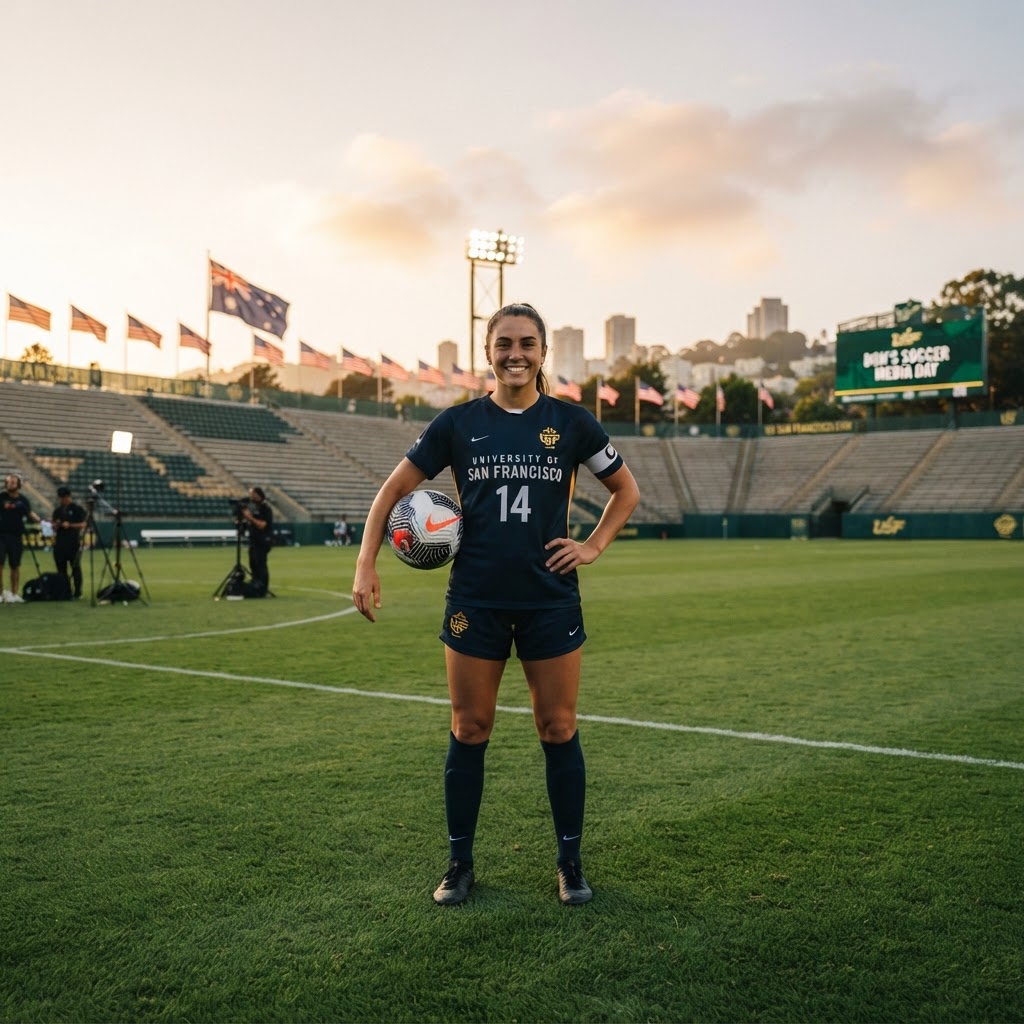
Media day photos started hitting my phone this week. Finn from Perth starting at NJCAA D1 against European academy players. Ella from Canberra choosing Campbellsville NAIA over D1 offers. And the Campbellsville connection to Lauren Woodcock — now playing in Europe.

A team can win on Saturday and still fail its players. The uncomfortable truth about toxic coaching in Australian youth football — and why the right environment matters more than the scoreboard.

Most Aussie families only know D1. But the smartest move in US college soccer recruiting is one they've never heard of — and it could save your family tens of thousands of dollars while giving your athlete a better shot at the right program.
US college soccer scholarships explained for Australian footballers — how NCAA, NAIA, and NJCAA scholarship structures work, what Division I vs II vs III actually offers, and how to stack athletic and academic aid for maximum funding.
NCAA vs NAIA vs NJCAA — which US college soccer division is right for Australian players? We break down scholarship limits, competition levels, academic requirements, and where Aussies actually get the best funding.
The 10 most common mistakes Australian footballers make when pursuing US college soccer — from starting too late and overestimating playing level to ignoring academic requirements and targeting the wrong divisions.
When should Australian footballers start US college soccer recruitment? This year-by-year timeline covers Year 9 through Year 12 — NCAA registration, SAT testing, highlight videos, and when to contact coaches.
Athletic vs academic scholarships: how Australian footballers can stack financial aid to cover 70-100% of US college costs. Real examples of combining athletic money, merit aid, and need-based grants.
How to create a highlight video that US college soccer coaches actually watch. Length, content, opening clips, position-specific priorities, and the 7 mistakes that get your video deleted in 30 seconds.
Book a free consultation to discuss your pathway to US college soccer scholarships, or download our free Australian family guide to get started.